
Retaining Walls in Tigard, OR
Summary
Retaining walls can turn a steep or uneven yard into a safer and more useful outdoor space. They can hold back soil, control erosion, improve drainage, and add beauty to your landscape. We design and install Tigard retaining walls for homes and properties of many sizes.
Whether you need a small garden wall or a larger retaining wall project, we can help you explore your options and create a design that fits your property.
Get Instant Quote
Contact Us
Why Add Retaining Walls to Your Tigard Property?
A retaining wall is more than a nice-looking part of your landscape. It is a strong structure made to hold soil in place. This can be very useful on sloped terrain.
Make Sloped Areas More Useful
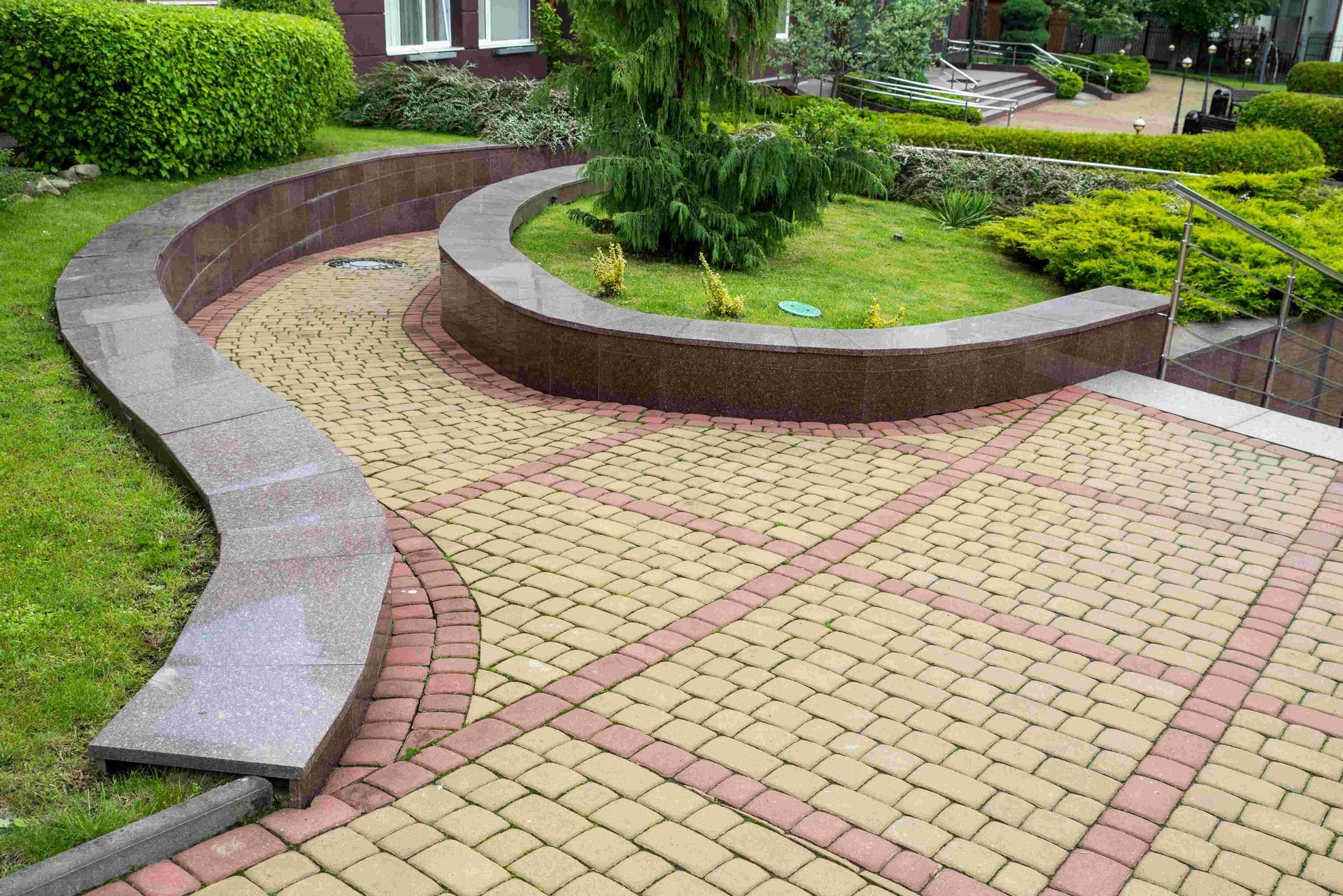
Slopes can make parts of a yard hard to use. Retaining walls can create flatter areas for gardens, patios, lawns, and other outdoor spaces. Multiple walls can even create levels or terraces across a steep backyard.
Custom retaining walls can also become part of your landscape design. The right colors, sizes, and materials can help the wall fit your house and yard. Built-in seating can also be added to some retaining wall designs to create a useful place to sit and enjoy your outdoor space.
Help Control Erosion and Water
Retaining walls can help control erosion by holding soil on slopes. They may also help protect other parts of your property from moving soil.
Proper drainage is very important. Water that builds up behind a wall can place added pressure on the structure. A good design must allow water to drain instead of collecting behind the wall.
Expansive clay soil can create even more pressure when it becomes full of water. Gabion walls are one option that can work well in areas with heavy moisture while helping prevent erosion.
Retaining Wall Blocks and Other Materials
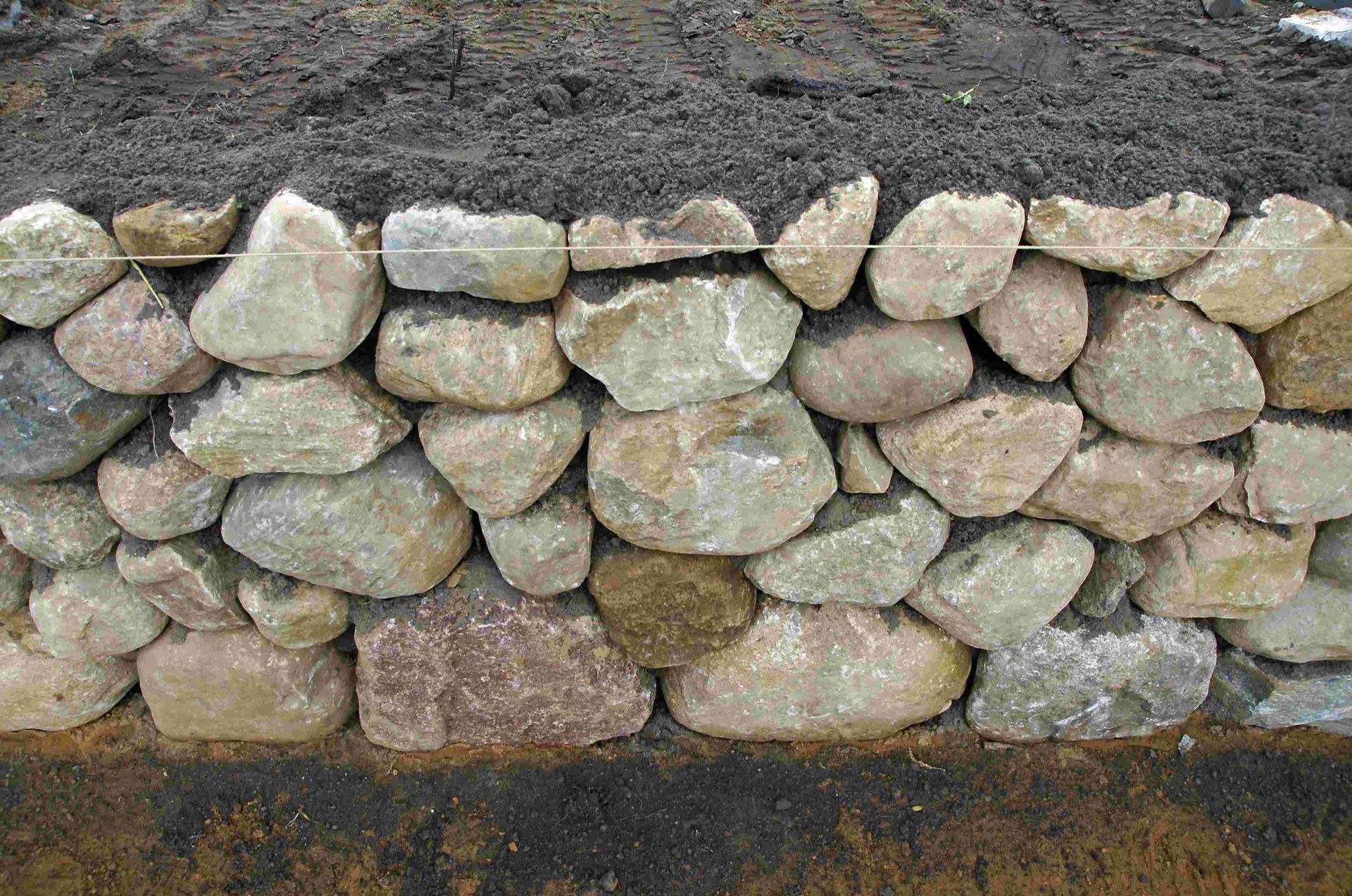
The best materials depend on the design, wall height, site, budget, and look you want. Retaining walls can be built from block, natural stone, poured concrete, timber, and other materials.
Block Retaining Walls
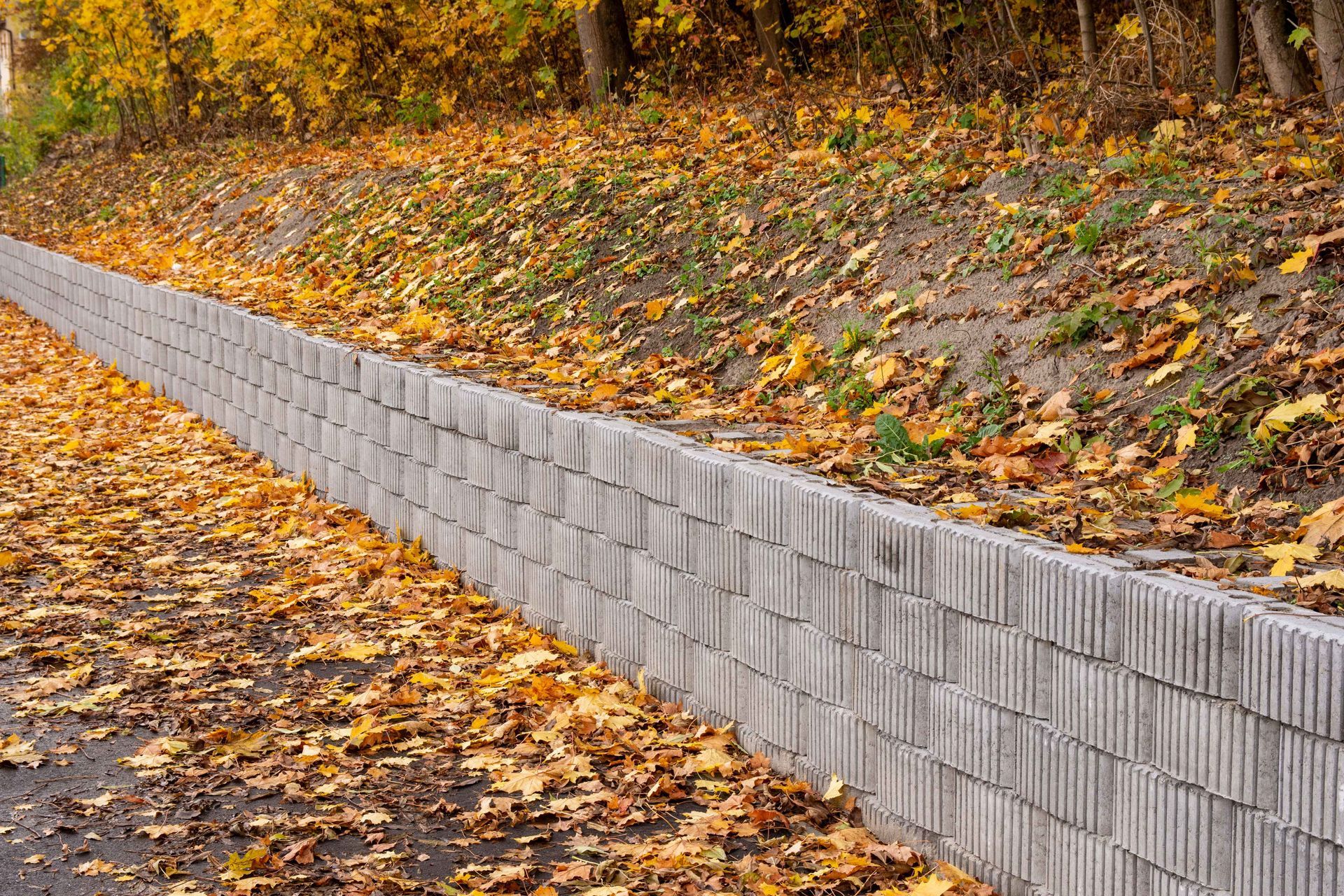
A retaining block wall is a popular choice for many homes. Retaining wall blocks come in different sizes, shapes, and colors. Block walls can create a clean look while providing the strength needed to hold back soil.
Segmental block walls are commonly used because they are durable. They may also handle certain types of soil movement better than more rigid walls. The block design can work well with patios, steps, and other parts of a landscape.
Natural Stone, Concrete, and Other Wall Types
Natural stone can give retaining walls a more natural look. Stone works well with gardens and other landscape features and can create a beautiful finished design.
Poured concrete is another option for some retaining wall projects. The main types of retaining walls include gravity, segmental, cantilever, and anchored walls. Cantilever retaining walls use an L-shaped reinforced concrete footing below the soil. The weight of the soil and backfill helps the structure stay upright.
The right material and type depend on the site, required strength, the wall's length and height, and other project details.
How We Plan and Install Retaining Walls
A retaining wall needs more than blocks or stone. Good planning and installation help the structure stay stable for many years.
Planning the Wall
We start by looking at the area, slopes, soil, drainage, and the purpose of the wall. We also look at the wall's length and height. These details help us choose the right design and materials for the project.
In Oregon, retaining walls taller than four feet may require a building permit and engineered plans, depending on how the wall is designed and measured and the conditions around it. Taller or more complex walls can have added engineering requirements, so these details should be checked before construction starts.
Building for Drainage and Strength
Base preparation and drainage are important parts of retaining wall installation. Depending on the design, a wall may use a compacted base, gravel, drainage pipe, or added reinforcement. Geogrid reinforcement may be required for taller retaining walls to add strength and help the wall hold back the soil.
Tigard's wet winters make drainage especially important. Heavy clay soil can expand when it becomes wet, increasing pressure against retaining walls. The wall must be built for the conditions at the site, not just for how it looks.
Start Your Tigard Retaining Wall Project
The right retaining wall can improve your yard while helping prevent erosion and manage slopes. Our team takes pride in quality work and can help you find a design that fits your property and budget.
Contact us at 503-647-4372 to discuss your next project and schedule a consultation. Installation lead times can vary, but some retaining wall projects may be scheduled within one to three weeks after the project is approved. The exact schedule depends on the project, materials, site conditions, and other details.
We serve Tigard,
Beaverton,
Tualatin, Portland, and nearby areas and can help you decide which type of wall works best for your site.